The Ship Found With No Crew On Board
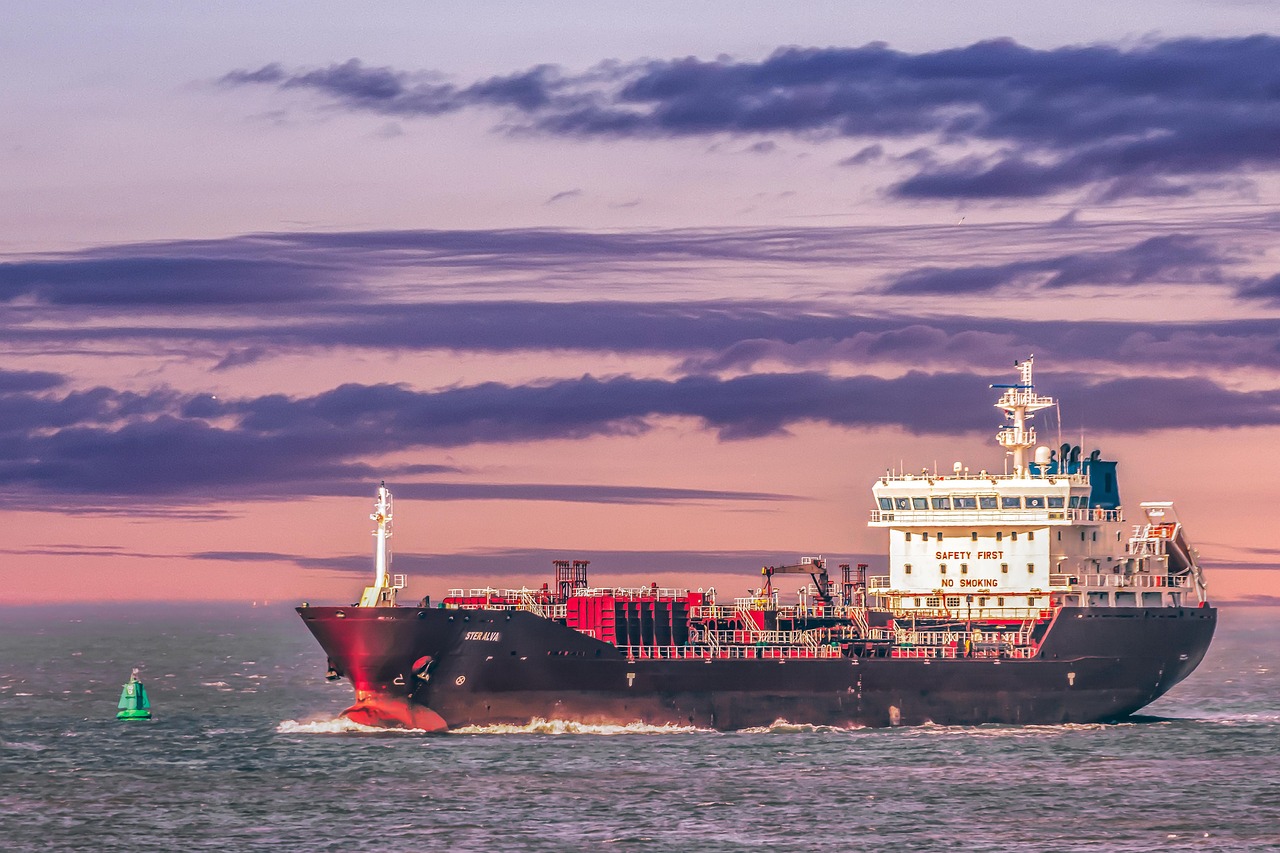
The merchant ship Mary Celeste was found floating in the Atlantic Ocean with nobody on board. Ten people had vanished without a trace, leaving all their clothes and supplies behind. The ship was still fully safe to sail, yet the crew had stepped off into the sea and disappeared forever.
The short answer to this puzzle is that no one knows for sure what happened. The crew left in a hurry, taking the lifeboat, the ship log, and some navigation tools, but they left behind ten years of food and fresh water. Scientists and historians still debate if bad alcohol fumes, a fake pump reading, or a sudden sea storm drove them away.
What Rescue Workers Saw When They Came Aboard
On December 5, 1872, a ship named the Dei Gratia spotted the Mary Celeste. The ship was moving in a strange, zigzag way between the Azores and the coast of Portugal. Captain David Morehouse recognized the ship, but no one was at the wheel to guide it.
He sent his first mate, Oliver Deveau, over in a small boat to check on the crew. Deveau climbed onto the deck and called out into the quiet air. Silence was the only answer he got. He walked through the rooms and saw three feet of water in the bottom of the ship, which was not enough to sink a vessel of that size.
The main sail was torn, but the ship was still sturdy. The crew left their warm coats, shoes, and personal pipes behind. Money and jewels were left untouched in the captain's cabin. If sea pirates had attacked, they would have taken those valuable items first. You can read more about classic sea mysteries and puzzles to see how investigators check strange scenes like this one.
One detail bothered the rescue team right away. The ship had a single lifeboat, and it was gone. The rope used to tie the boat was dragging in the water behind the main ship, snapped at the end. Did the line break during a sudden rescue attempt?

The Facts We Know About the Missing Ten People
Ten human beings were on that ship when it left New York harbor on November 7, 1872. The captain was Benjamin Briggs, a skilled seaman who owned a share of the ship. He brought his wife, Sarah, and their two-year-old daughter, Sophia. They left their seven-year-old son back home in Massachusetts so he could go to school.
The rest of the crew had seven experienced sailors. Seven men, one woman, and one little child makes nine, plus the captain to make ten total people. Every man had a great work record and no bad history at sea. They were not green sailors who would panic over a small splash of water.
The cargo on board was 1,701 barrels of industrial alcohol. This was pure wood alcohol, not stuff people drink. When the ship was examined later in Gibraltar, nine of those barrels were completely empty. The wooden slating of those nine barrels had leaked out, leaving dry wood behind.
The last entry in the ship log was written at eight in the morning on November 25. It placed the ship near Santa Maria Island in the Azores. That means the ship kept sailing on its own for ten full days without a single hand on the wheel. It covered over 500 miles across open water while empty.
Why Did the Crew Leave the Mary Celeste?
People love a good puzzle, so many wild stories came out over the years. Some newspapers claimed a giant squid pulled the crew into the deep sea one by one. Others said the crew drank the cargo alcohol, got wild, and killed the captain. That wild rumor fails because wood alcohol causes blindness and death if you try to drink it.
Another popular idea was a mutiny by the crew. But Captain Briggs was known as a fair man who paid his team well and never carried weapons. When inspectors checked the ship deck, they found no blood, no signs of a fight, and no broken furniture. Everything was put away neatly in the rooms.
Arthur Conan Doyle, the writer who created Sherlock Holmes, even wrote a fictional story about the ship. His story claimed a killer on board brought the crew to an island and got rid of them. Many people read his fun story and thought it was real news, which confused the facts for fifty years.
The real explanation has to account for one big thing. Why would a smart captain order his own family and crew off a sound ship into a tiny boat in the middle of the cold ocean?
The Three Best Theories That Make Sense
Serious experts focus on three main ideas today. Each idea fits some of the clues, but none of them solves the whole mystery completely.
The first idea involves the nine empty alcohol barrels. If the barrels leaked, fumes would fill the dark hold under the deck. A small spark from a stove could cause a quiet flash blast without setting the wooden ship on fire. The captain might have feared an instant explosion, opened the hatches to clear the air, and ordered everyone into the small boat until the danger passed.
The second idea focuses on the water pump. Before the trip, the ship had been in a repair shop to fix old wooden boards. Wood dust and paint bits from the repair job could have fallen down into the pump lines. When the sailors checked the pump, the debris might have jammed the measure rod, making it look like the ship was filling with water much faster than it really was.
The third idea is a sea phenomenon called a waterspout. This is like a tornado over the ocean. A waterspout could hit the ship, tear the sails, and throw water into the hold without destroying the main wood hull. The sudden drop in air pressure might also make the pump readings act crazy for a few minutes.
Imagine being on that deck in dark weather. The air smells like burning gas, the pump shows deep water below, and the sea is rough. Stepping into a small tow boat linked by a strong rope might have seemed like the safest choice for ten minutes. Then, a strong gust of wind caught the big sails, the trailing rope snapped, and the main ship pulled away faster than nine people could row.
How the Court Investigated the Case
When the Dei Gratia brought the vessel into port at Gibraltar, the British court held a long trial. The judge, Frederick Solly-Flood, was very suspicious. He thought the rescue crew had staged a fake rescue to claim the reward money from the cargo insurance company.
Inspectors searched every inch of the wood with magnifying glasses. They found a few marks on the bow of the ship and thought it was cut by swords. Later chemical tests proved the marks were just natural wear on the wood and old rust spots on metal bolts.
After three months of heavy court checks, the judge had to pay the rescue crew their money. But he gave them much less than usual because he still felt something was fishy. The full record of this famous trial is kept inside historical archives, including pages on the Mary Celeste case history.
The ship was sold to new owners, but sailors were afraid of it. They believed the ship was cursed by bad luck. It changed hands seventeen times over twelve years until its final owner ran it into a reef off the coast of Haiti in 1885 to collect insurance money.
What This Sea Mystery Teaches Us Today
The case shows how quickly panic can turn a small problem into a fatal choice. Captain Briggs made a choice to protect his wife, his child, and his team from a perceived threat. He picked the small boat to stay safe, yet that small boat was the very place where they lost their lives.
The sea keeps its secrets well. Without surviving witnesses or modern video equipment, we can only line up the known facts and weigh the odds. Was it the gas fumes, the jammed pump, or a sudden wave?
Look at your own choices when faced with a mystery or a sudden problem. Do you react to the scary noise right away, or do you step back to check the real facts first? Sometimes the safest place to stay is right on the ship you already know.


Comments
Post a Comment